
Services
Medical Eye Care Services in Wexford, Chippewa, New Castle, and Kittanning
Cataracts
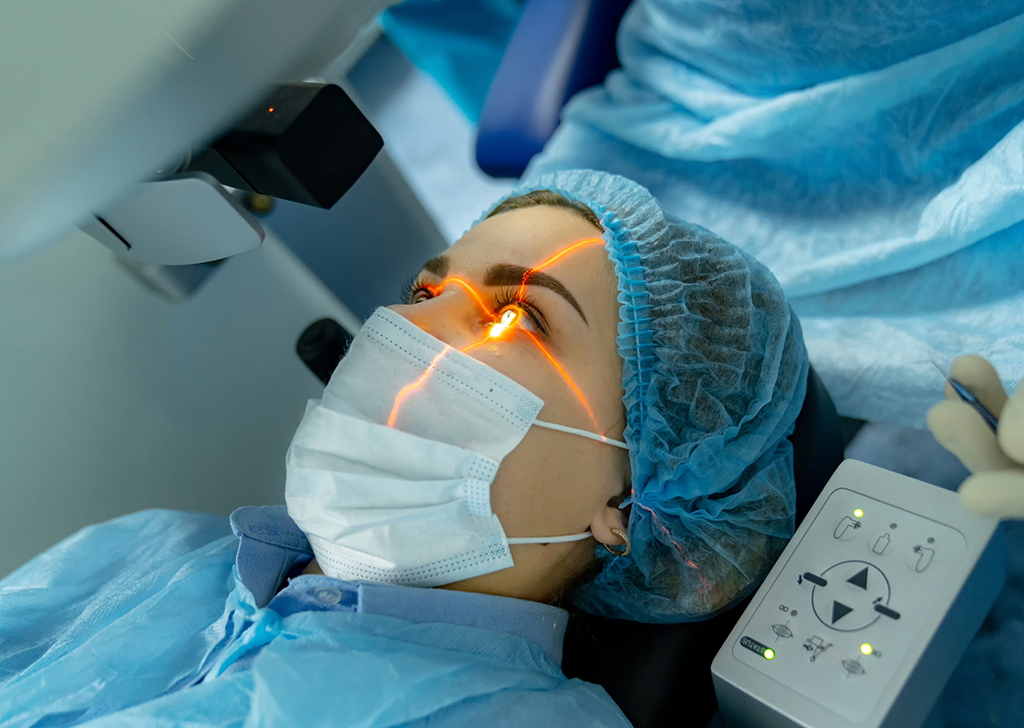
A cataract forms when the eye’s natural lens, located within the eye, becomes cloudy. When this clouding affects vision, a cataract operation is required to remove the clouded lens and replace it with a clear, synthetic lens.
Learn More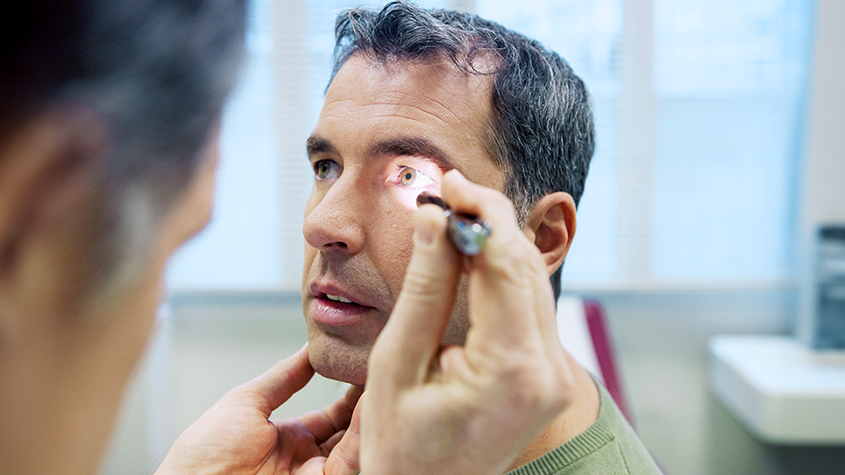
Laser Vision Correction
Laser vision correction is a procedure to reshape the front surface of your cornea to improve the natural focus of the eye. There are two common procedure done to achieve this outcome, Lasik (laser-assisted in situ keratomileusis) and PRK (photorefractive keratectomy).
Learn More
EVO ICL™
EVO ICL is an Implantable Contact Lens (ICL) designed to correct nearsightedness with and without astigmatism. The small flexible lens is placed behind the iris (the colored part of the eye) and in front of the natural crystalline lens in order to improve vision.
Learn More
Refractive Lens Exchange
Refractive lens exchange, also called, “Clear lens exchange,” involves the removal and replacement of the natural crystalline lens before it has clouded and become a cataract, to correct the need for glasses and contacts.
Learn More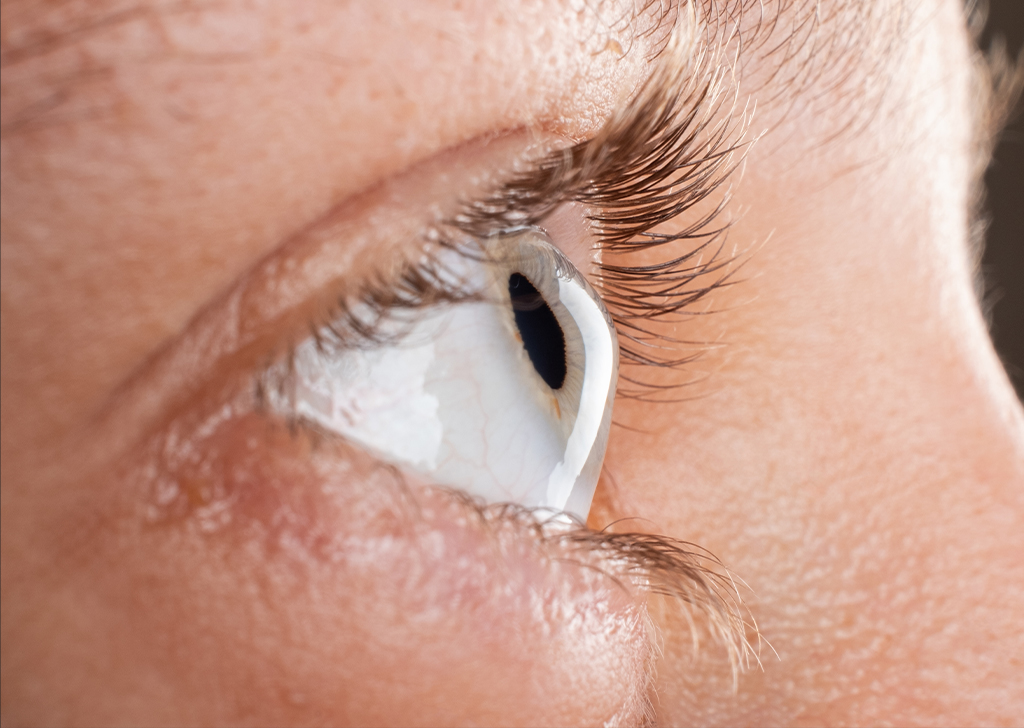
Corneal Conditions
Keratoconus is a type of corneal ectasia characterized by thinning and bulging to the cornea, the clear dome-like structure on the front of the eye. The condition typically occurs in patients ages 10-25 and continues to progress slowly over 20 year or more.
Learn More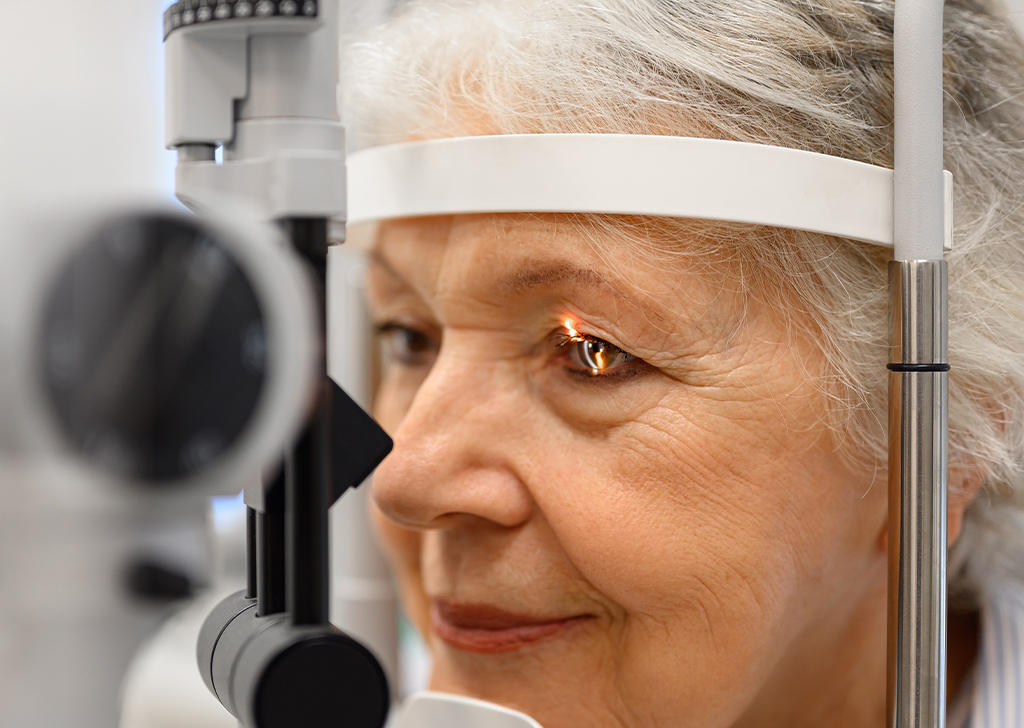
Medical Treatment & Testing
Glaucoma is the second-leading cause of blindness in the U.S. It is when the pressure inside the eye is too high for an individual’s optic nerve. What that pressure is may vary among patients. If the eye pressure is too high, it can lead to progressive damage to the optic nerve. If untreated, this can result in vision loss and even blindness.
Learn More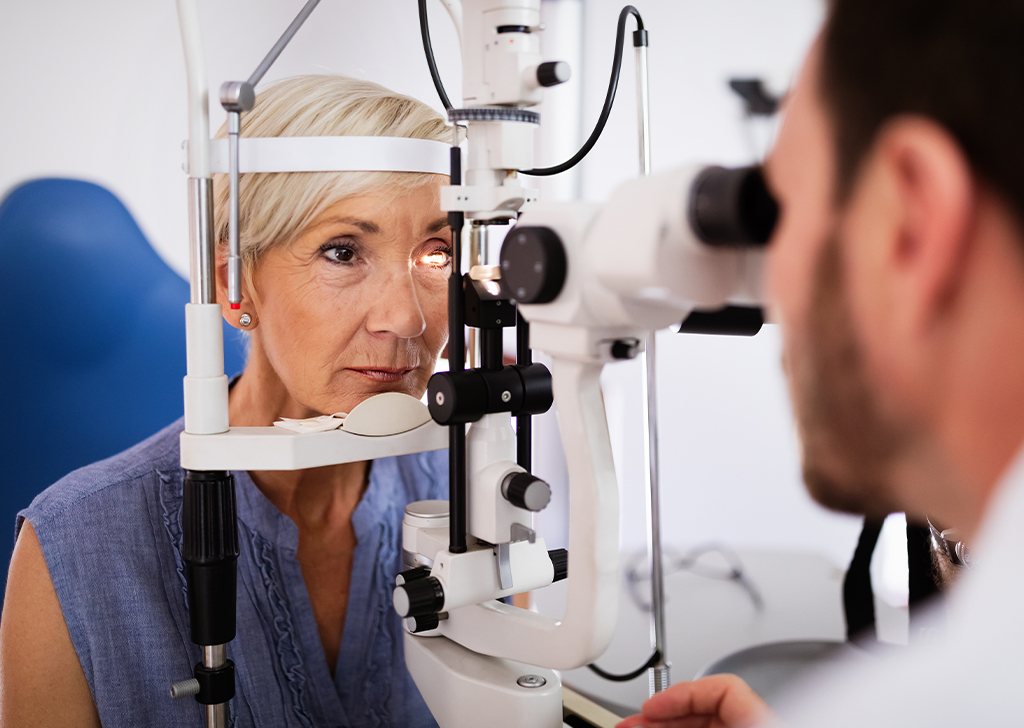
Other Lasers & Procedures
YAG laser capsulotomy is a relatively simple, in-office procedure that might be needed after cataract surgery. When you have cataract surgery, your doctor removes your eye’s cloudy lens and replaces it with an artificial intraocular lens (IOL).
Learn MoreQuick Links
Locations
Hours of Operation
- Monday 9:00am - 5:00pm
- Tuesday 8:00am - 5:00pm
- Wednesday 8:00am - 5:00pm
- Thursday 8:00am - 5:00pm
- Friday 8:00am - 5:00pm
- Saturday CLOSED
- Sunday CLOSED
- *Experiencing an emergency?
Call our regular office number after hours to reach our on-call doctor
- Monday 9:00am - 5:00pm
- Tuesday 8:00am - 5:00pm
- Wednesday 8:00am - 5:00pm
- Thursday 8:00am - 5:00pm
- Friday 8:00am - 5:00pm
- Saturday Closed
- Sunday Closed
- Monday 9:00am - 5:00pm
- Tuesday 8:00am - 5:00pm
- Wednesday 8:00am - 5:00pm
- Thursday 8:00am - 5:00pm
- Friday 8:00am - 5:00pm
- Saturday Closed
- Sunday Closed
Contact Us
To reach any of our offices with questions and to schedule an appointment, please call our main line at (724) 933-5588
© 2026 Sightline Ophthalmic Associates and Laser Eye Center. All rights Reserved -
Accessibility Statement
-
Privacy Policy
-
Sitemap
Managed and Designed by 