
YAG Capsulotomy
Clearing cloudy vision after cataract surgery.
Jump to sectionAt SightLine, we offer specialized laser procedures to address certain conditions affecting vision and eye pressure. These treatments are typically performed in an outpatient setting and are tailored to your individual needs.
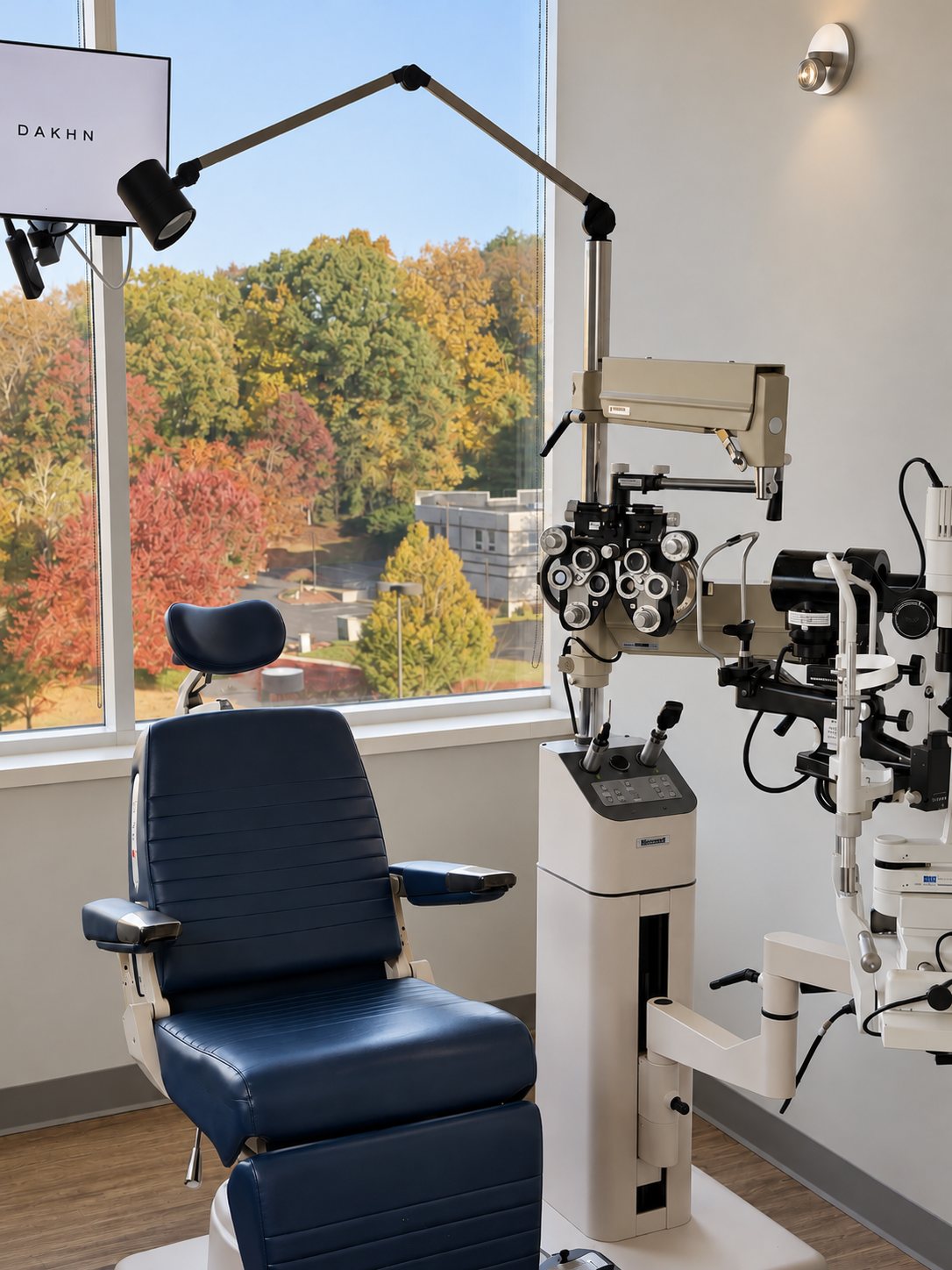
Laser procedures can help address certain eye conditions without traditional surgical incisions. Depending on your condition, treatment may help improve cloudy vision, lower eye pressure, or reduce the risk of certain types of glaucoma.
Your SightLine doctor will recommend the appropriate treatment based on your examination and individual needs.
Although laser treatments themselves are often brief, your appointment may take longer because of preparation, testing, and observation.
Clearing cloudy vision after cataract surgery.
Jump to sectionHelping lower eye pressure in patients with open-angle glaucoma or ocular hypertension.
Jump to sectionHelping improve fluid movement in eyes with narrow or potentially blocked drainage angles.
Jump to sectionFollowing cataract surgery, some patients develop cloudiness in the thin membrane that supports their artificial lens. This is called posterior capsule opacification, or PCO.
Although sometimes referred to as a “secondary cataract,” the original cataract has not returned.
A YAG laser capsulotomy creates a small opening in the cloudy membrane, allowing light to pass through more clearly.
The goal is to improve vision affected by cloudiness, glare, or haziness after cataract surgery.
 Cloudiness in the thin membrane behind the lens implant
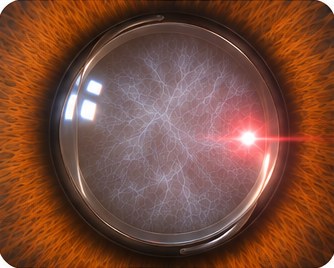 The laser is focused on the cloudy membrane
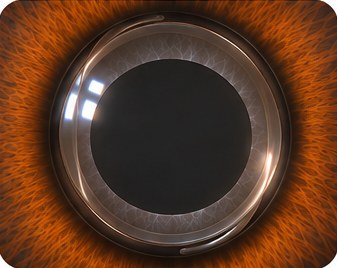 A clear opening lets light reach the back of the eye
Good to know. Call us right away if you notice sudden new flashes of light, many new floaters, or a curtain or shadow over your vision.
Cataract surgery What to expect after cataract surgerySelective Laser Trabeculoplasty, or SLT, is a laser treatment used to help reduce eye pressure in patients with certain forms of glaucoma or ocular hypertension.
The laser treats the eye’s natural drainage tissue, helping fluid leave the eye more effectively.
SLT can lower eye pressure and help reduce the risk of further glaucoma-related damage. For some patients, SLT can reduce the need for pressure-lowering eye drops, although additional medication or treatment may still be necessary. SLT does not restore vision already lost from glaucoma and does not permanently cure the condition.
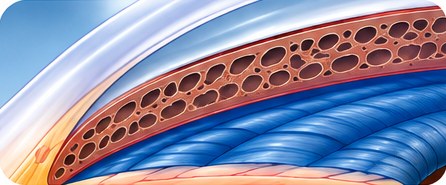 The eye’s natural drainage tissue
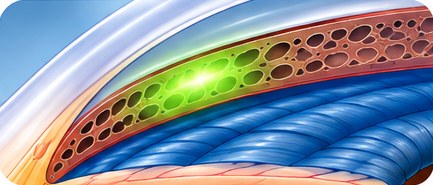 The laser treats the drainage tissue
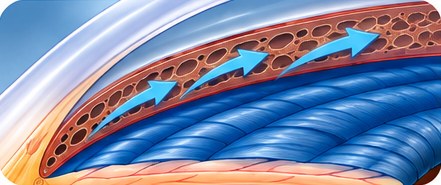 Fluid can leave the eye more effectively
Good to know. Continued glaucoma monitoring is important. Contact our team if you have significant pain or a change in your vision.
Glaucoma & MIGS Diagnostic testingLaser Peripheral Iridotomy, or LPI, is used for certain patients whose eyes have narrow or potentially blocked drainage angles.
In these eyes, the iris can interfere with the normal movement of fluid, increasing the risk of a sudden rise in eye pressure.
LPI creates a tiny opening in the peripheral iris, allowing fluid to move through an alternative pathway and helping relieve the pressure difference that can contribute to angle closure.
The goal is to help reduce the risk of angle-closure-related pressure problems and, in appropriate cases, treat a contributing mechanism of angle closure. The procedure is generally intended to protect the eye rather than directly improve visual clarity. LPI does not cure all forms of glaucoma, and some patients require additional treatment or monitoring.
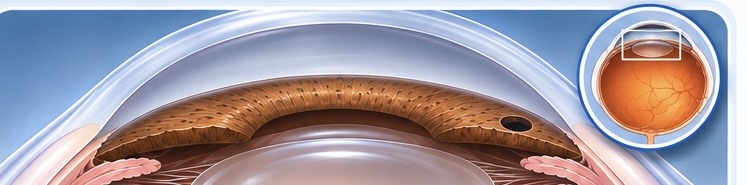 A cross-section through the front of the eye. The opening is made near the outer portion of the iris, away from the center.
 The outer portion of the iris before treatment
 The laser creates a very small opening
 Fluid can move more freely through the opening
Good to know. Continued pressure monitoring is important. Contact our team if you have significant pain or a change in your vision.
Glaucoma & MIGS Eye conditionsThis page is general information, not medical advice. Candidacy and outcomes vary, and no result is guaranteed. Treatment availability may vary by office; please contact our team to confirm.
Working with your eye doctor. Your eye doctor may recommend a specialized evaluation or treatment at SightLine. Our team works closely with referring providers to help coordinate your care.
Whether your eye doctor has recommended a laser procedure or you have questions of your own, our team will help guide you through your treatment and coordinate follow-up care as appropriate.