After hours, the same number reaches the doctor on call.(724) 933-5588Contact Us
SightLine Laser Eye Center
ADVANCED DIAGNOSTICS

Understanding Your Eyes in Greater Detail.

Advanced diagnostic technology allows our surgeons to evaluate important details of your eye health, identify conditions, and carefully plan treatment. These measurements help us develop recommendations tailored to your individual needs.

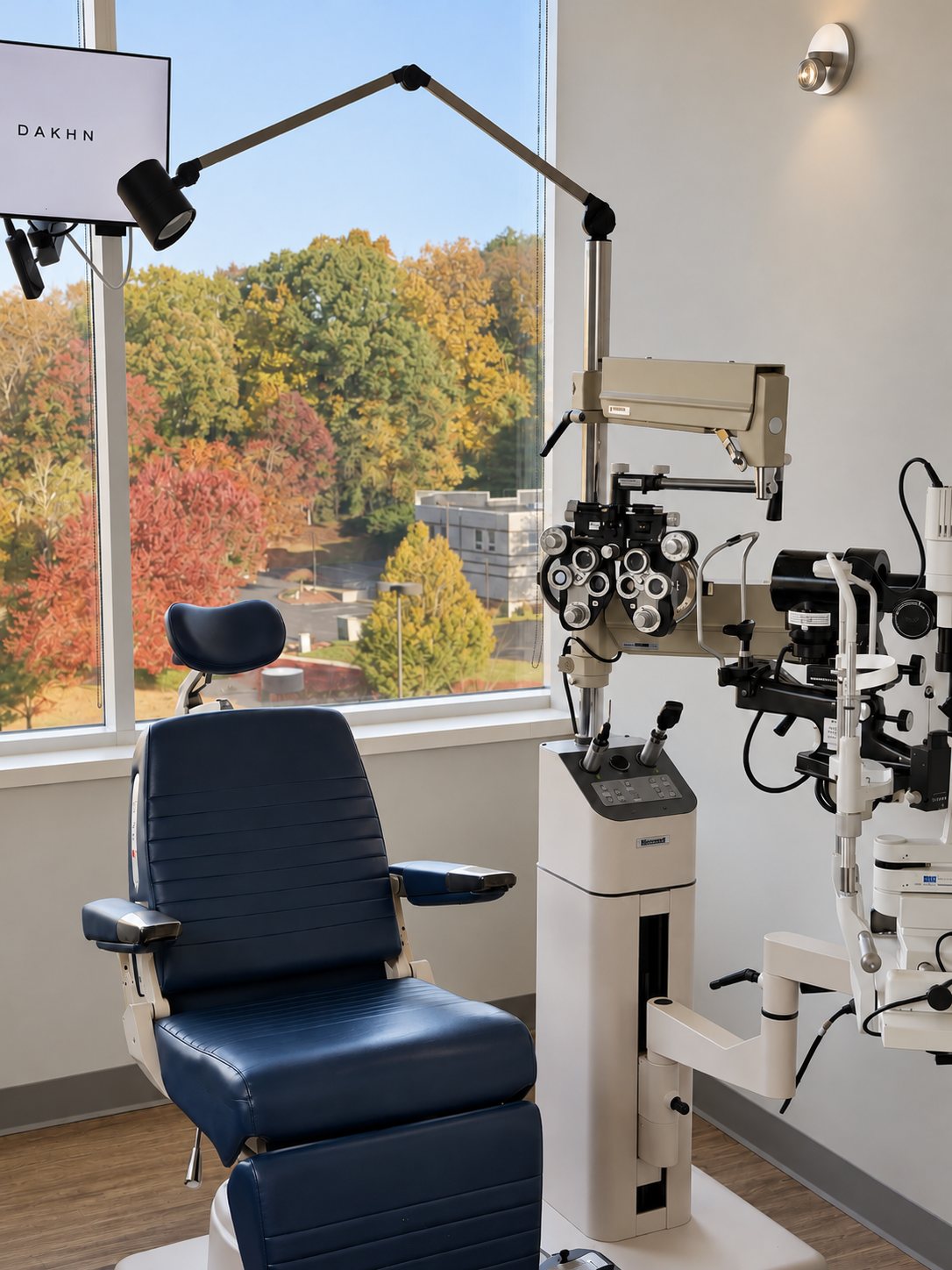
An exam room at our Wexford office with a patient chair and diagnostic instruments
OUR DIAGNOSTIC TESTING

How we look closer

Testing is selected according to each patient’s needs, so you may not need every test below. Your SightLine doctor will explain which measurements are recommended for you and why.

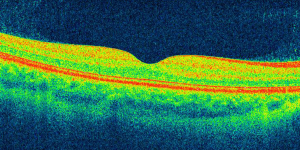
An OCT scan showing the layers of the retina in cross-section, with the central dip of the foveaRetinal OCT scan
Optical Coherence Tomography (OCT)

A detailed look beneath the surface

OCT uses light to capture detailed images of structures inside the eye, including the retina and optic nerve. These images help our doctors assess eye health and identify changes that may affect vision or treatment decisions.

Why it helps: Useful in the evaluation of retinal conditions, glaucoma-related concerns, and surgical planning.
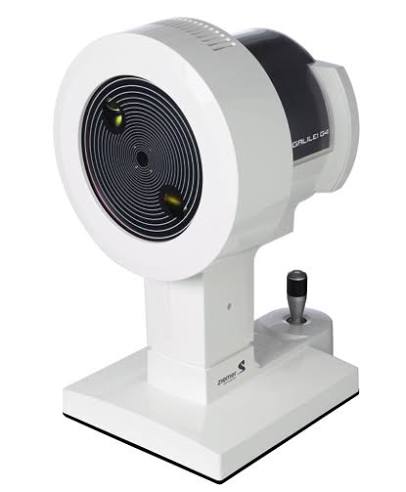

A corneal topography instrument with a ringed, bowl-shaped frontCorneal imaging instrument
Corneal Topography & Tomography

Mapping the shape of your cornea

Using advanced imaging technology, including our Ziemer GALILEI G4, we can create detailed maps of the cornea’s shape, curvature, and thickness. It combines two kinds of imaging: reflected rings of light map the front surface, and rotating cameras capture cross-sections of the cornea.

Why it helps: Helps evaluate irregularities such as astigmatism and keratoconus, and gathers important information for refractive and cataract surgery planning.

Specular microscopy image of the cornea’s inner cell layer, with individual cells outlined and color-coded for analysisCorneal cell analysis
Specular Microscopy

A close look at the cornea’s inner cells

Specular microscopy photographs the cornea’s innermost layer of cells, which keep the cornea clear. It shows how many of these cells there are and how healthy they look.

Why it helps: Helpful in evaluating conditions such as Fuchs’ dystrophy and in planning cataract surgery or corneal transplant surgery.

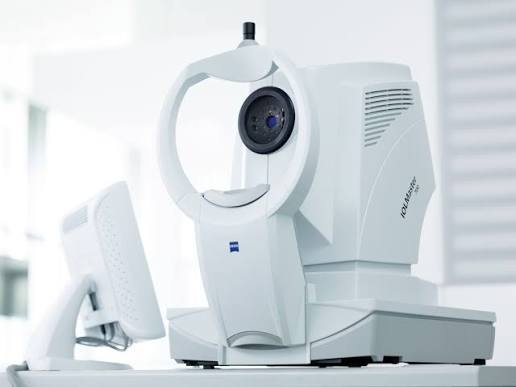
An optical biometry instrument used to measure the eye before lens surgeryOptical biometer
Optical Biometry: IOLMaster 700

Precise measurements for lens surgery

The ZEISS IOLMaster 700 uses advanced optical measurements to determine important features of the eye, including its length and corneal curvature.

Why it helps: These measurements help our surgeons calculate lens implant power when planning cataract surgery or refractive lens exchange, as part of a personalized surgical plan.

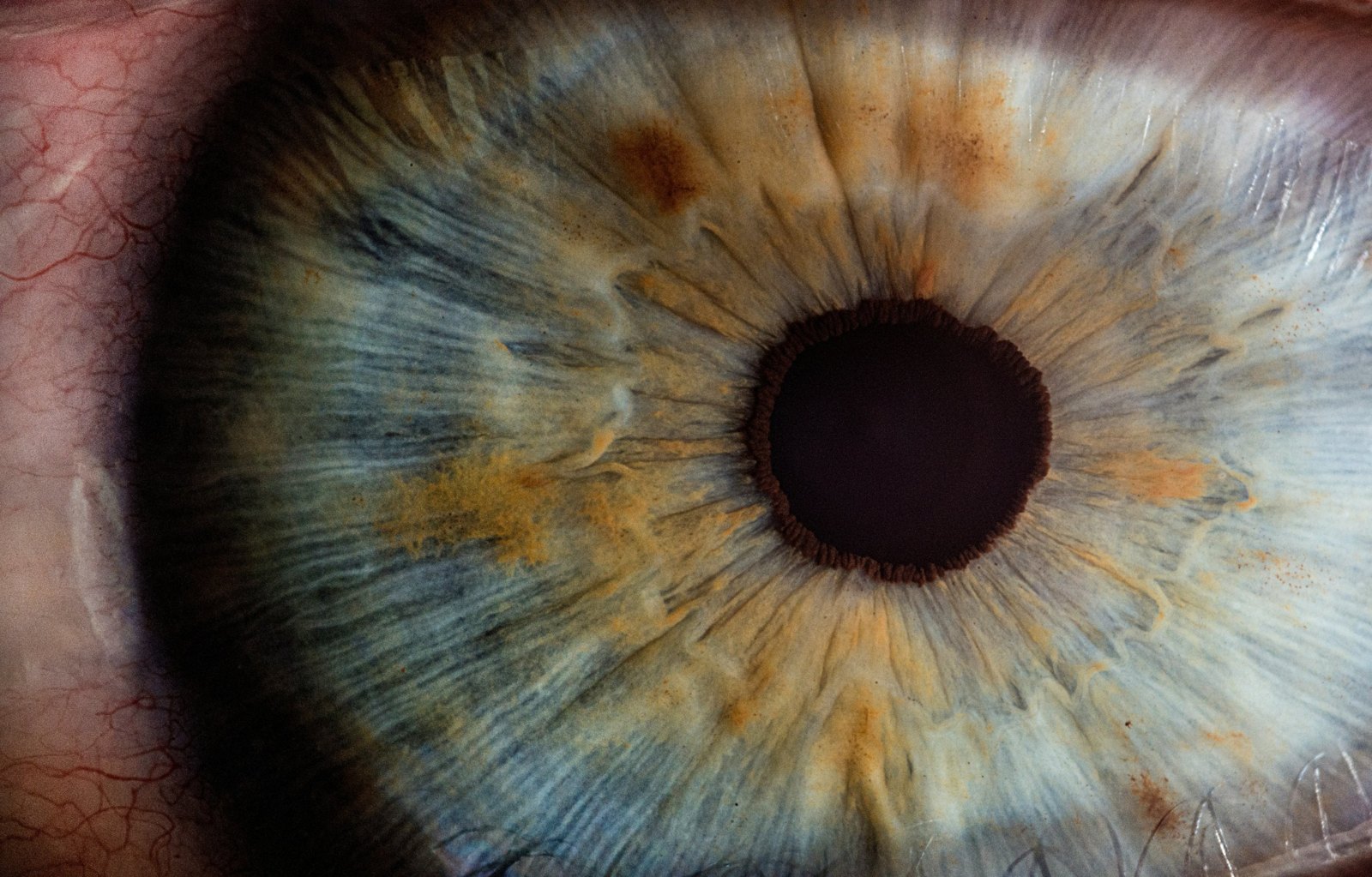
A close-up photograph of the front of the eye, showing the iris and pupilFront of the eye
Anterior Segment Imaging

A closer look at the front of your eye

Specialized imaging allows our doctors to examine structures at the front of the eye, including the cornea, iris, and anterior chamber.

Why it helps: These images can help evaluate certain conditions, document findings, and guide appropriate treatment planning.

YOUR VISIT

What can you expect?

Most diagnostic imaging tests are quick, comfortable, and noninvasive. Depending on the type of testing needed, you may be asked to look at a light or target while the instrument captures measurements or images. Some examinations may require eye drops or additional preparation.

Our team will explain each test and guide you through the process.

  • Look at a targetMany instruments ask you to focus on a light while they measure.
  • Usually quickMost imaging takes only a short time per test.
  • Drops if neededSome exams need eye drops. Our team will let you know what to expect.
WHY IT MATTERS

Detailed Measurements. Personalized Decisions.

No two eyes are exactly alike. Advanced imaging provides valuable information that helps our surgeons assess your eye health, evaluate treatment options, and develop an individualized plan for your care.

This page is general information, not medical advice. Testing is selected according to each patient’s clinical needs.

Working with your eye doctor. Your eye doctor may recommend a specialized evaluation or treatment at SightLine. Our team works closely with referring providers to help coordinate your care.

RELATED TOPICS

Keep learning

WE’RE HERE TO HELP

Questions before your visit?

Our team can help you understand your next steps, in coordination with your eye doctor.