
What to Expect
Cataract surgery is a commonly performed outpatient procedure. Your surgical team will guide you through each step to ensure you’re informed and comfortable throughout your experience.
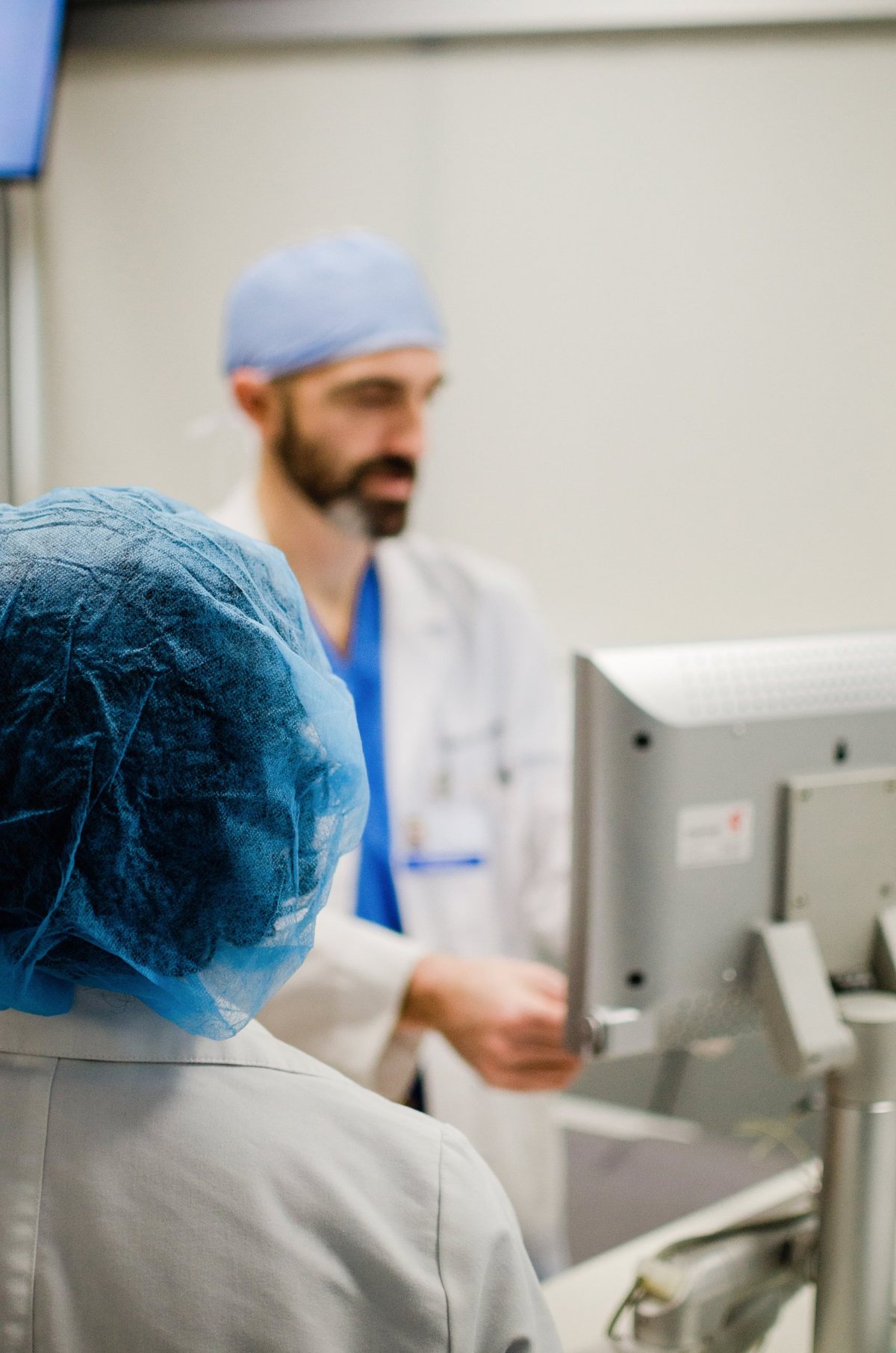
Before your visit
- Review this guideReview our patient booklet.
- Complete your paperworkComplete your enclosed health history and questionnaire.
- Bring what you needBring your completed paperwork, glasses, medication list, and insurance cards.
On the day of surgery
- Arrival and preparationYour surgical team will review your plan and prepare your eye with drops. If your surgery is at our Wexford office, see your surgery day at Wexford.
- Your procedureYour surgeon will gently remove the cloudy natural lens using advanced surgical techniques. Laser assistance may be incorporated when appropriate.
- Lens replacementYour selected intraocular lens (IOL) is carefully implanted to replace your cloudy lens and help restore clearer vision.
- Recovery and going homeFollowing surgery, you’ll rest briefly while your surgical team monitors your recovery and reviews your postoperative instructions. Patients return home the same day.
Recovery and postoperative expectations
Most patients recover quickly after cataract surgery, although every eye heals differently. Your surgical team will guide you through your recovery and provide instructions to help ensure a smooth healing process.
- Immediately after surgeryMild scratchiness, tearing, light sensitivity, or blurry vision is common shortly after surgery. These symptoms typically improve as your eye begins to heal.
- The first few daysVision often begins to improve within the first few days, although complete healing takes longer. Use your prescribed eye drops as directed and attend your scheduled follow-up appointments.
- Protecting your eyeAvoid rubbing or pressing on your eye. Follow your surgical team’s instructions regarding lifting, exercise, swimming, and other activities while your eye heals.
- When to contact usContact our office immediately if you experience severe pain, worsening vision, increasing redness, or new flashes of light or floaters.
Common questions
Will I be awake during surgery? Will it hurt?
Most patients remain awake and comfortable during cataract surgery. Numbing medication is used, and you may receive medication to help you relax. Mild pressure or discomfort is possible, but pain is not expected.
How soon will my vision improve?
Many patients notice improvement within a few days, although vision may initially be blurry or fluctuate as the eye heals.
When can I return to normal activities?
Most patients gradually resume everyday activities within several days. Your SightLine doctor will explain when it’s safe to drive, exercise, and return to specific activities.
Should I stop any of my medications before surgery?
Please tell us about every medication you take, including blood thinners. Do not stop any medication unless your SightLine doctor or the doctor who prescribed it tells you to.
If both eyes need surgery, are they done on the same day?
Each eye is usually treated on a separate day. Your doctor will discuss the timing that is right for you.
When can I get new glasses?
New glasses are usually prescribed once your eye has healed and your vision has settled. Your eye doctor will let you know when.
This page is general information, not medical advice. Candidacy and outcomes vary, and no result is guaranteed. A comprehensive eye examination is needed to determine your options. Treatment availability may vary by office; please contact our team to confirm.
Continue exploring
Planning Your Cataract Surgery
Your evaluation is designed to assess your eye health, understand your visual needs, and determine whether cataract surgery is appropriate.
Read moreLens Options
Different lens options can address different visual needs. Your choice may influence how often you’ll need glasses following surgery.
Read moreAstigmatism Correction
What astigmatism is, and how it can be corrected during cataract surgery.
Read moreInterested in cataract surgery at SightLine?
Let your eye doctor know. They can evaluate your vision, help decide whether surgery may be right for you, and send a referral to our team. We work closely with referring eye doctors before and after surgery.