
Minimally Invasive Glaucoma Surgery (MIGS)
MIGS is a group of small-incision procedures designed to help lower eye pressure, often with less disruption to the eye than traditional glaucoma surgery. At SightLine, MIGS is performed together with cataract surgery.
What is MIGS?
Glaucoma can damage the optic nerve, and lowering the pressure inside the eye is an important part of treatment. Fluid is made inside the eye all the time and leaves through a tiny natural drain. When that drain slows down, pressure can rise.
Minimally invasive glaucoma surgery (MIGS) uses very small incisions and microscopic implants or instruments to help that fluid drain more easily. Compared with traditional glaucoma surgery, MIGS generally involves less tissue disruption and a quicker recovery. It usually lowers pressure by a more modest amount.
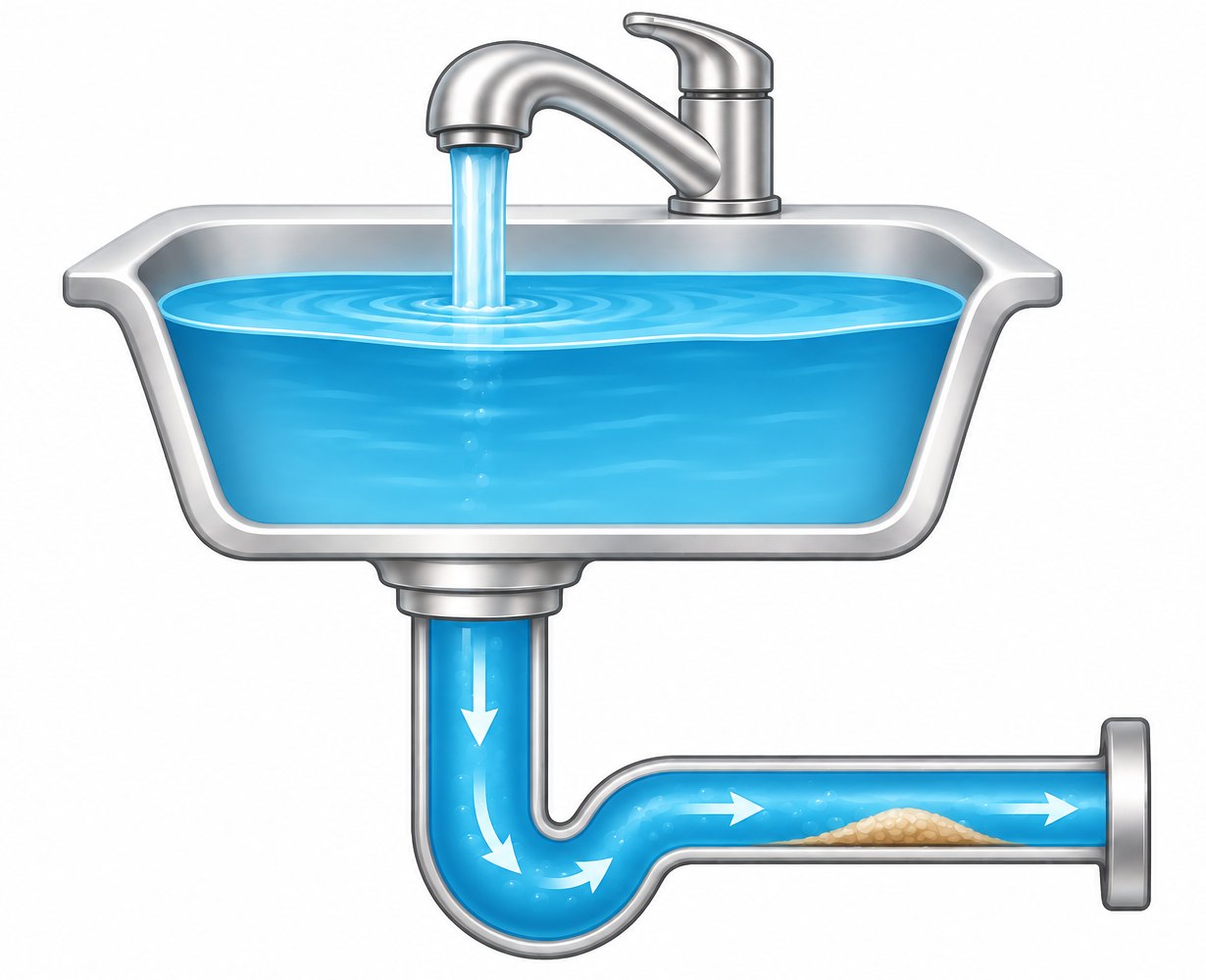
A simple analogy
Picture the eye as a sink. The faucet is the fluid the eye makes all the time, and the drain is the eye’s natural drain. How much water stays in the sink depends on how well the drain works.
Drag the slider to compare
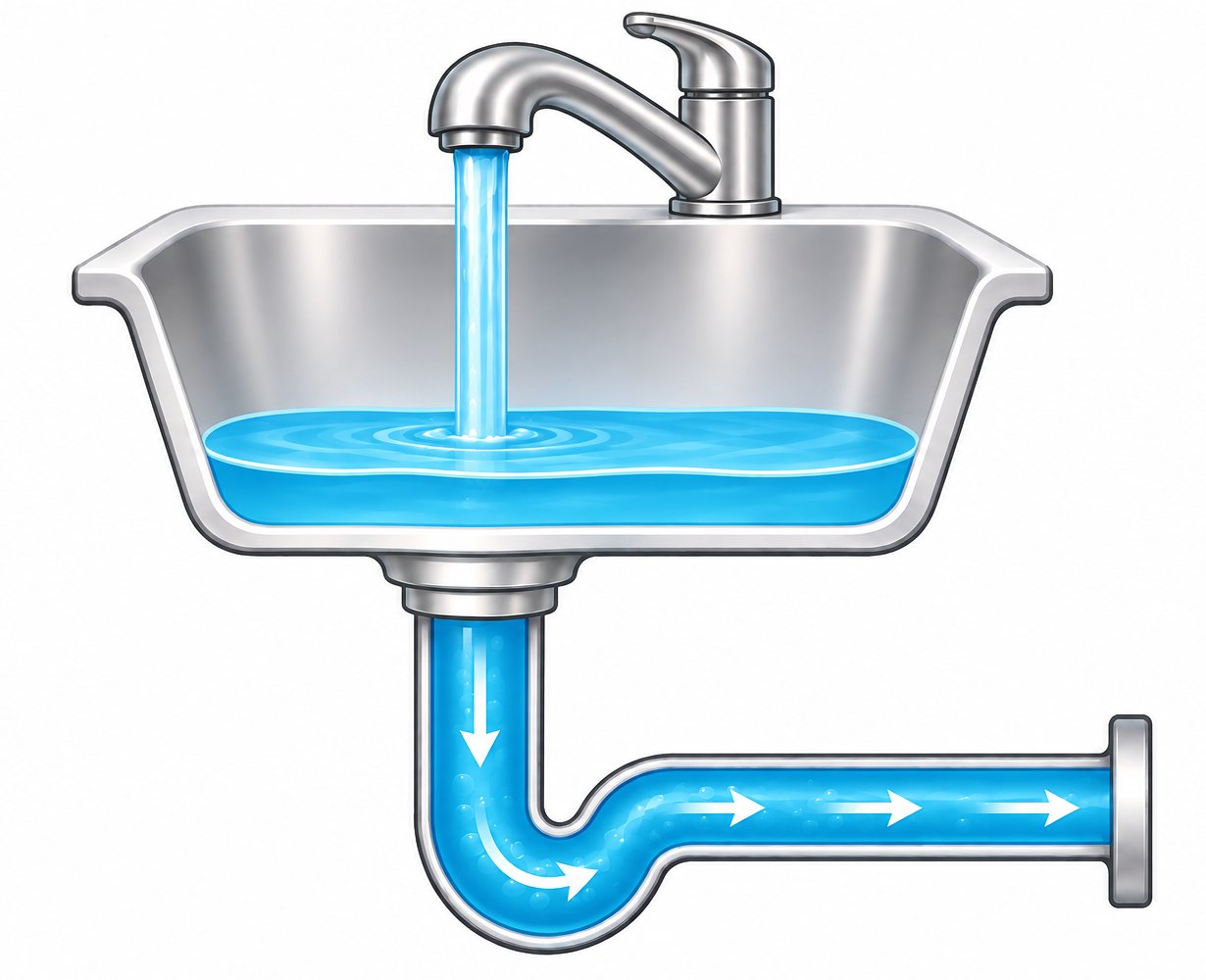 Before MIGSAfter MIGSDrag to compare
Types of MIGS procedures
MIGS describes several approaches. All of them aim to help fluid leave through the eye’s own natural drain. They differ in how they do it.
| Approach | How it works | Implant left in the eye? |
|---|---|---|
| Trabecular bypass stents | A tiny stent is placed in the eye’s natural drain, giving fluid a direct path to leave the eye. | Yes, a very small stent |
| Angle-based and tissue-removal procedures | The surgeon opens or removes a small strip of the drainage tissue so fluid can flow out more freely. | No implant |
| Canaloplasty and viscodilation | A thin, flexible instrument or a gel widens the eye’s natural drain from the inside. | Generally no implant |
Which approach is the best fit depends on your stage and type of glaucoma, your eye pressure and your eye. Your SightLine doctor will review this with you.
MIGS and cataract surgery
Cataract surgery gives the surgeon direct access to the front of the eye. For some patients with mild to moderate glaucoma, a MIGS procedure can be added during the same operation, without a separate trip to surgery.
Please note: at our office, MIGS is combined with cataract surgery only. We are not currently performing standalone MIGS procedures.
Whether that makes sense depends on your type of glaucoma, your eye pressure, the drops you use now and what your cataract surgery needs. MIGS may lower pressure and may reduce your need for glaucoma drops, but it does not always eliminate them. Your doctor will talk this through with you before surgery.
- One planYour doctor reviews your glaucoma and your cataract together.
- One operation, two benefitsCataract surgery to clear your vision, and a MIGS procedure to help lower eye pressure, in the same operation.
- Your eye doctor stays involvedYour own doctor continues your glaucoma care afterward.
What to expect
- 01SurgeryMIGS is outpatient surgery done through very small incisions, together with your cataract surgery. These procedures cannot be done in our Wexford surgical suite. They are performed at an ambulatory surgery center (ASC) or hospital. Our team will explain where and what to expect on the day of surgery.
- 02RecoveryYou will use eye drops afterward and have follow-up visits to check your healing. Eye pressure can take several weeks to settle, and results vary from patient to patient.
- 03Ongoing careGlaucoma is a lifelong condition. You will keep seeing your own eye doctor to monitor your pressure and optic nerve.
Call right away if you have severe eye pain or a sudden loss of vision after surgery.
Working with your eye doctor
SightLine works alongside your eye doctor. Your eye doctor continues your routine glaucoma monitoring and medical care. We provide surgical care when it is appropriate and keep your eye doctor informed. After surgery, you return to your eye doctor for your ongoing care.
Common questions
Can’t find what you’re looking for? Our team is happy to help.
Can I have MIGS without cataract surgery?
Not at our office at this time. SightLine performs MIGS only together with cataract surgery. Your doctor decides whether it fits based on your glaucoma and your cataract.
Where is MIGS performed?
MIGS cannot be done in our Wexford surgical suite. It is performed at an ambulatory surgery center (ASC) or hospital. Our team will arrange this with you.
Will I still need glaucoma drops after MIGS?
Some patients use fewer drops, but many still need them. MIGS is not a guarantee of being drop-free.
How is MIGS different from traditional glaucoma surgery?
MIGS uses smaller incisions and generally has a shorter recovery. Traditional surgery can lower pressure more but carries more risk and a longer recovery.
Is MIGS right for everyone with glaucoma?
No. It is generally considered for mild to moderate glaucoma. Your doctor will tell you whether it fits.
This page is general information, not medical advice. Candidacy and outcomes vary, and no result is guaranteed. A comprehensive eye examination is needed to determine your options. Treatment availability may vary by office; please contact our team to confirm.
Questions about MIGS?
Our team can help you understand your options, working alongside your eye doctor.