After hours, the same number reaches the doctor on call.(724) 933-5588Contact Us
SightLine Laser Eye Center

Laser-assisted cataract surgery

Advanced technology, planned around your eye.

Laser-assisted cataract surgery combines the expertise of your surgeon with advanced imaging and computer-guided laser technology.

By creating a detailed map of your eye, the femtosecond laser helps your surgeon plan and perform important steps of cataract surgery with a high degree of precision and consistency. From creating the opening around the cataract, to preparing the cloudy lens for removal, to addressing certain types of astigmatism, it gives your surgeon additional tools to personalize your procedure.

Coming January 2027 to our Wexford office-based surgery suite
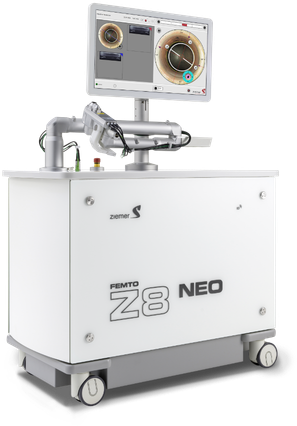
The femtosecond laser system
The femtosecond laser system.

Understanding your procedure

Five steps, from mapping to your new lens

Scroll down to see how laser-assisted cataract surgery works. Each picture is simplified, and our doctors will explain your own procedure.

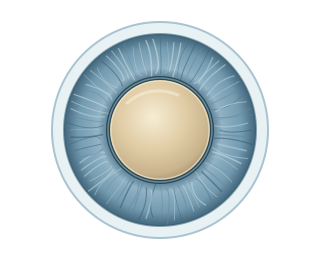
Step 01. Mapping your eye

Before the laser is used, advanced imaging creates a detailed map of the structures inside your eye. Your surgeon uses this map to plan the treatment around the anatomy of your own eye.

Technological advantage

Individualized, image-guided treatment planning.

More detail

The map shows the position of the cornea, the lens and the capsule, so the planned pattern can be placed where your surgeon intends. The pattern shown here is a simplified illustration.

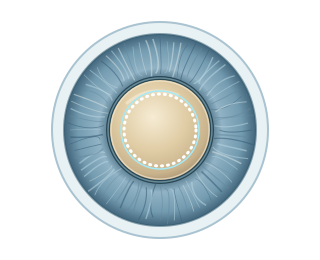
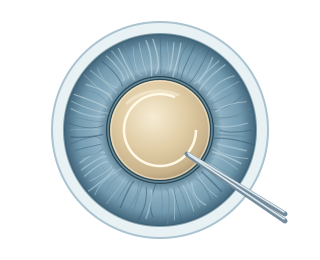
Step 02. Creating a precise opening

The natural lens sits inside a thin, clear membrane called the lens capsule. To remove the cataract, a circular opening is made in the front of this membrane. The laser creates that opening in the size, shape and position your surgeon planned. As in traditional surgery, the rest of the capsule stays in place to hold your new lens.

Technological advantage

A highly reproducible circular opening, with precise control over its size and position.

More detail

In every cataract surgery, with or without a laser, the capsular bag is kept in place to support the new lens. The laser only changes how the opening is made, not whether the bag is preserved. Made by hand, this opening is a delicate step that depends on the surgeon’s skill; the laser aims for a consistently round, well-centered opening. Your surgeon makes the choices about size and position for your eye.

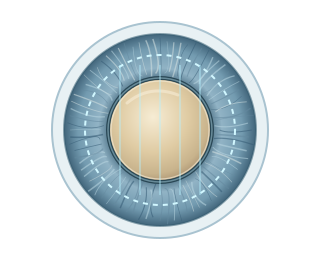
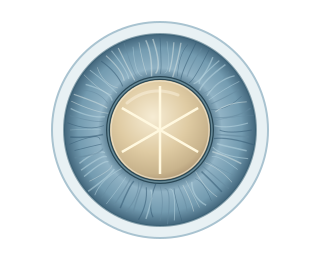
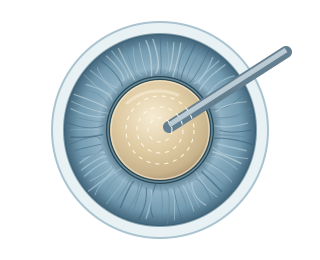
Step 03. Preparing the cataract for removal

Before the cataract is removed, the laser divides and softens the cloudy lens into smaller sections. In many cases, this lets the cataract be removed with less ultrasound energy.

Technological advantage

Laser pre-fragmentation, which often reduces the ultrasound energy needed to remove the cataract.

More detail

Ultrasound energy is what breaks up and removes the cataract, and denser cataracts generally need more of it. Using less may mean less inflammation and swelling of the cornea (the clear front of the eye) after surgery. The laser pattern is chosen by your surgeon. Each eye is different, so the amount of ultrasound energy saved varies, but it is often less than it would be without the laser.

Step 04. Removing the cataract

Your surgeon then gently removes the cloudy lens material through a very small opening, using specialized microsurgical instruments. If any pieces of the cataract remain, your surgeon removes them, using ultrasound energy when it is needed, and then clears away the last bits of lens material before the new lens goes in. With the laser, less ultrasound energy is often needed. Your surgeon is in control throughout, and the capsular bag is left in place.

More detail

The laser prepares the cataract, but it does not remove it. Because the lens has already been softened and divided, often less ultrasound energy is needed than without the laser, and in some eyes very little. The surgeon performs the surgery.

Step 05. Placing your new lens

A clear artificial lens, called an intraocular lens or IOL, is placed inside the capsular bag. Our doctors help you choose a lens that fits your vision needs, your eyes and your lifestyle. The small incisions are then sealed, generally without stitches.

More detail

The choice of lens is made together with you before surgery. See our lens options page for the types available.

The result of the procedure

From a cloudy lens to a clear one

Once the cataract has been removed and the new lens is in place, light can pass through the eye clearly again. Your surgeon is responsible for your procedure from start to finish, and the laser is one of the tools used along the way.

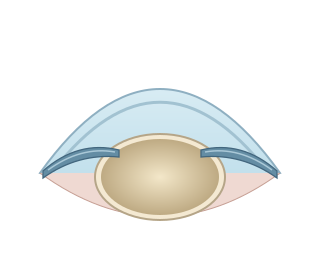
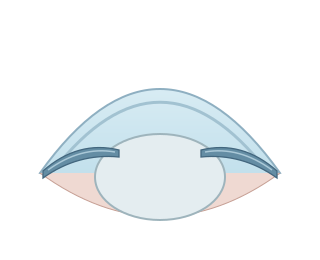
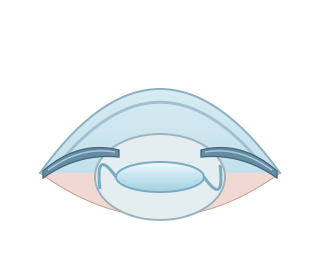
Side-view illustration, simplified and not to scale.

Side view of the front of the eye with a cloudy natural lens.
Before: the natural lens has become cloudy.
Side view of the front of the eye with a clear lens implant inside the capsular bag.
After: a clear lens implant (IOL) takes its place inside the lens capsule.
BeforeAfter

Before: the natural lens is cloudy.

Drag the slider to compare.

Additional capability

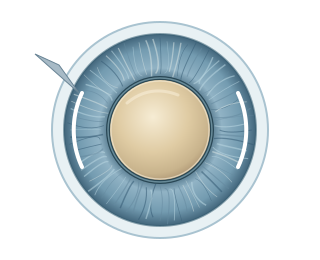
Addressing astigmatism with precision

Astigmatism occurs when the cornea has an uneven curvature, which can cause blurred or distorted vision.

Even curvature
like a basketball
Uneven curvature
like a football (astigmatism)

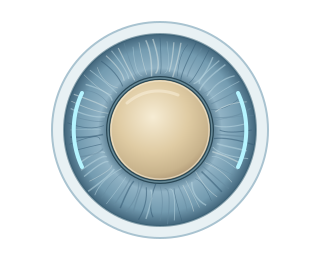
For appropriately selected patients, the femtosecond laser allows your surgeon to create precisely planned corneal incisions designed to reduce astigmatism. The computer-guided treatment provides control over the location, length and depth of each incision.

Technological advantage

Precise execution of an individualized astigmatism treatment plan.

This is not needed for every patient. A toric lens implant is another way to address astigmatism, and the best approach depends on your eyes. Your SightLine doctor will help you choose.

Side by side

Traditional and laser-assisted, at a glance

Both approaches follow the same overall path. These are the three places where the laser changes how a step is carried out.

Traditional and laser-assisted cataract surgery compared, step by step
StepTraditionalLaser-assisted
Capsular opening

The surgeon creates the circular opening by hand, a delicate step that depends on surgeon skill.

A computer-guided laser creates a well-centered opening of the planned size.

Precise control over size, shape and position

Cataract preparation

Ultrasound energy breaks apart the cataract for removal; denser cataracts need more.

The laser divides the cataract into sections first, so less ultrasound energy is often needed.

Often less ultrasound energy needed

Astigmatism correction

When chosen, the surgeon creates corneal incisions by hand.

Image-guided laser creates planned corneal incisions.

Precise control over location, length and depth

Removing the cataract and placing your lensThe same in both approaches: your surgeon removes the cataract, places your new lens in the capsule and seals the small incisions, generally without stitches.

What the laser brings

What advanced laser technology brings to your surgery

  • Image-guided personalization

    Advanced imaging allows your surgeon to plan laser treatment around the individual anatomy of your eye.

  • Computer-guided precision

    Laser technology performs planned surgical steps with precise control and reproducibility.

  • Laser preparation of the cataract

    Pre-fragmenting the cataract often reduces the ultrasound energy needed for its removal.

  • Precision astigmatism management

    When appropriate, laser technology provides added control over astigmatism-correcting corneal incisions.

Our approach

Advanced technology. Experienced surgeons. Personalized care.

At SightLine, we combine surgical expertise with advanced technology to develop a treatment plan tailored to your individual eyes and vision goals.

Both traditional and laser-assisted cataract surgery are highly effective. Laser-assisted surgery offers advanced imaging, individualized treatment planning and computer-guided precision that our doctors may recommend based on your specific needs. A more precise step does not guarantee a better final result, and our doctors will help you understand your options and decide which approach is most appropriate for you.

Laser-assisted cataract surgery will be offered at our Wexford office-based surgery suite beginning in January 2027. Cataract removal and the standard steps of surgery are billed to your medical insurance in the usual way. Some laser-assisted services, such as astigmatism correction, may involve additional out-of-pocket costs, and our team will review any costs with you before surgery.
CATARACT CARE

Interested in cataract surgery at SightLine?

Let your eye doctor know. They can evaluate your vision, help decide whether surgery may be right for you, and send a referral to our team. We work closely with referring eye doctors before and after surgery.